
Kiguba Adventure Safaris
East African safaris, planned from Kampala
Private gorilla trekking, chimpanzee walks and wildlife game drives across Uganda, Rwanda, Kenya and Tanzania — with permits, lodges and road days written into one clear plan.
A Kampala-based safari company for private East Africa travel
Kiguba Adventure Safaris is based in Najjanankumbi, Kampala. We plan private journeys for couples, families and small groups who want mountain gorillas in Uganda or Rwanda, chimpanzees in Kibale or Nyungwe, and savannah wildlife in Queen Elizabeth, Murchison Falls, the Masai Mara, Amboseli, the Serengeti or Ngorongoro. We do not sell open-departure coach tours. Your vehicle, guide and lodge nights are reserved for your party alone.
Most travellers arrive through Entebbe International Airport for Uganda, Kigali International Airport for Rwanda, or Nairobi and Kilimanjaro for Kenya and Tanzania combinations. From the first enquiry we ask for your preferred month, how many adults and children are travelling, whether you already hold flights, and whether the priority is a short gorilla trek, a multi-park Uganda circuit, or a longer East Africa combination that adds the migration plains after the forest.
Before you book tickets we check gorilla or chimpanzee permit availability with the Uganda Wildlife Authority or the Rwanda Development Board, confirm lodge space in the correct park sector, and send a day-by-day itinerary that lists driving times, park activities, accommodation tiers and a line-by-line quote. Comfort can be budget lodges, mid-range camps with private bathrooms, or luxury forest and savannah properties — matched to the same route so the geography stays practical.
Explore country pages for Uganda, Rwanda, Kenya and Tanzania, or start with a ready itinerary under each country’s safaris folder.
How we build your itinerary
Every private safari follows the same planning sequence so permits, lodges and road days stay aligned.
1. Clarify the trip shape
We begin with who is travelling, how many nights you can spend in East Africa, and which experiences matter most: a single gorilla trek, gorilla habituation, chimpanzees, big-five game drives, birding, or a beach finish. Ages, fitness, photography goals and any mobility limits are noted early so we can request nearer gorilla families, book porters, or avoid the longest forest approaches when needed.
2. Lock wildlife permits first
Uganda and Rwanda limit how many visitors join each habituated gorilla family each day. Chimpanzee tracking in Kibale and Nyungwe is also capped. We apply for the correct permit type and date through the official wildlife authority, confirm the voucher, and only then ask you to finalise international flights. Peak dry-season dates in June–September and December–February sell earliest; rainy-season months remain open and Uganda discounts the standard gorilla permit in April, May and November.
3. Match lodges to the park sector
A lodge “near Bwindi” is not enough. Your accommodation should sit in or beside the sector named on the permit — Buhoma, Ruhija, Rushaga or Nkuringo in Uganda, or the Kinigi side of Volcanoes in Rwanda — so the morning transfer to the briefing point stays short. On savannah routes we choose camps for game-drive access, not only for views, and we list budget, mid-range and luxury options on the same itinerary so you can compare comfort without changing the route.
4. Send a transparent quote
Your draft plan shows each day, estimated road hours, park activities and lodging. The quote separates gorilla or chimpanzee permits, park entry fees, the private 4x4 and driver-guide, accommodation, and meals as confirmed. International flights, visas, tips, drinks and personal expenses are usually listed as excluded so there are no surprises once you are on the road.
Popular Uganda safaris
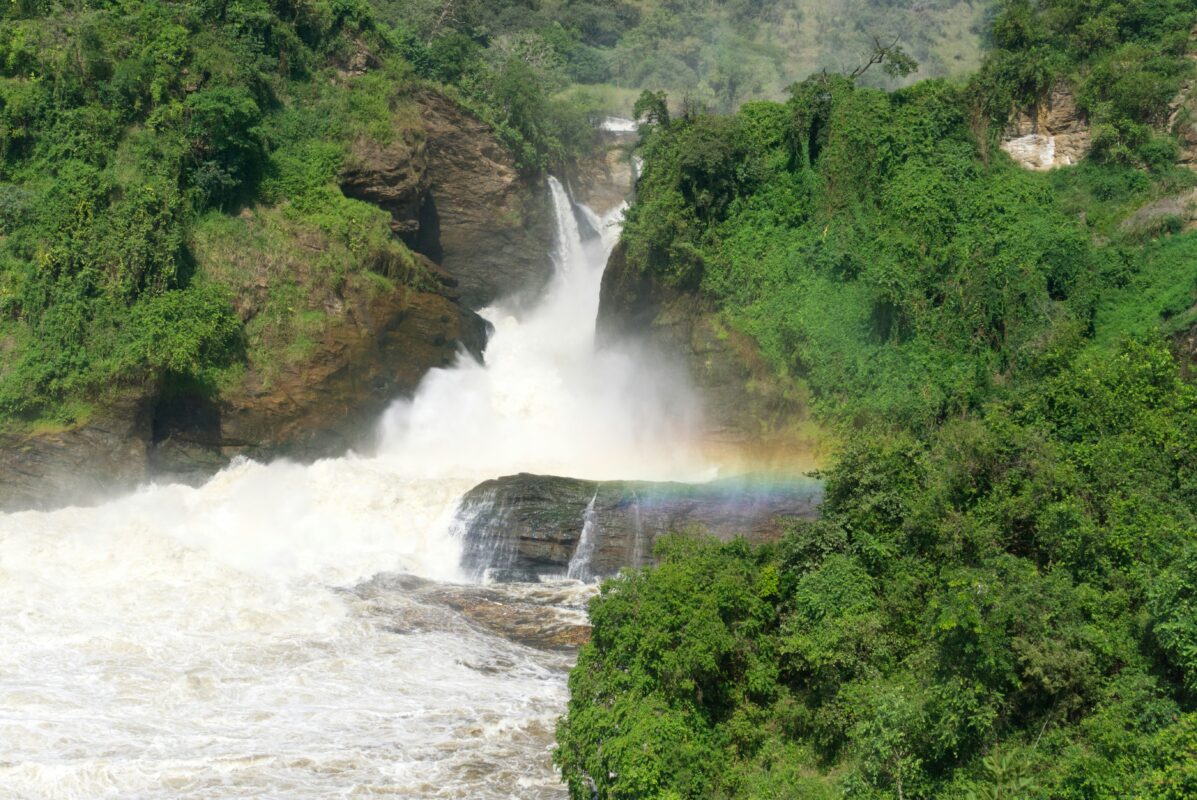
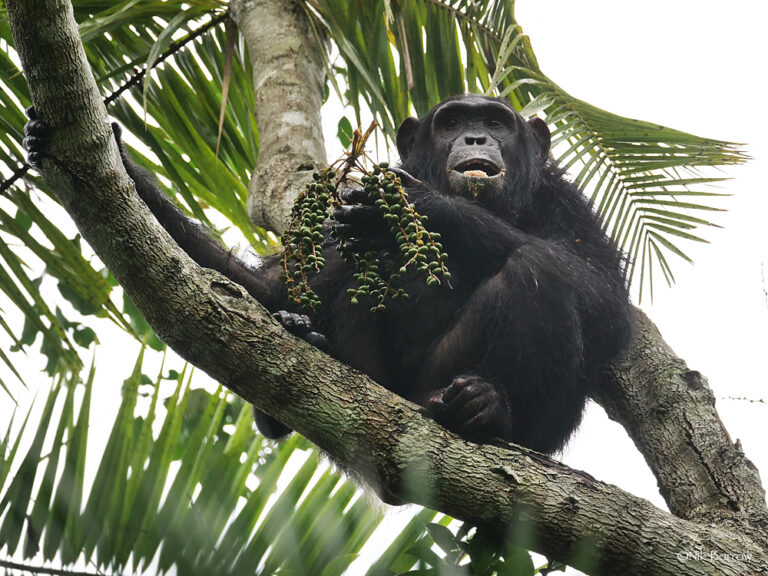
Uganda is the most flexible starting point for primate travel. From Entebbe or Kampala you can reach Bwindi Impenetrable National Park for mountain gorillas, Kibale Forest for chimpanzees, Queen Elizabeth National Park for lions and the Kazinga Channel boat cruise, and Murchison Falls National Park where the Nile is forced through a narrow gorge. Road days are long if you try to see everything in one week, so we usually recommend either a focused gorilla weekend, a northern Nile safari, or a six-day primate circuit that gives enough nights between Kibale and Bwindi.
Standard gorilla permits for foreign non-residents are currently US$800 (US$600 in April, May and November). The four-hour gorilla habituation experience, available from Rushaga, is US$1,500. Chimpanzee tracking in Kibale is a separate park activity with its own permit. We build these fees into the quote before you commit to lodges.
 3 DAYS
Bwindi gorilla trek
Uganda · Bwindi
 3 DAYS
Murchison Falls
Uganda · Nile
 6 DAYS
Gorillas and chimpanzees
Uganda · Kibale
Browse all Uganda safari itineraries · Bwindi gorilla trekking guides
Rwanda gorilla trips and forest add-ons
Rwanda suits travellers who want a compact route from a modern capital. Volcanoes National Park sits roughly two to three hours from Kigali International Airport. Gorilla trails in the Virunga foothills are often shorter and less steep than many Bwindi approaches, and lodge density near Kinigi is high across mid-range and luxury tiers. A Rwanda gorilla permit for foreign visitors is US$1,500 and includes a contribution to community projects around the park.
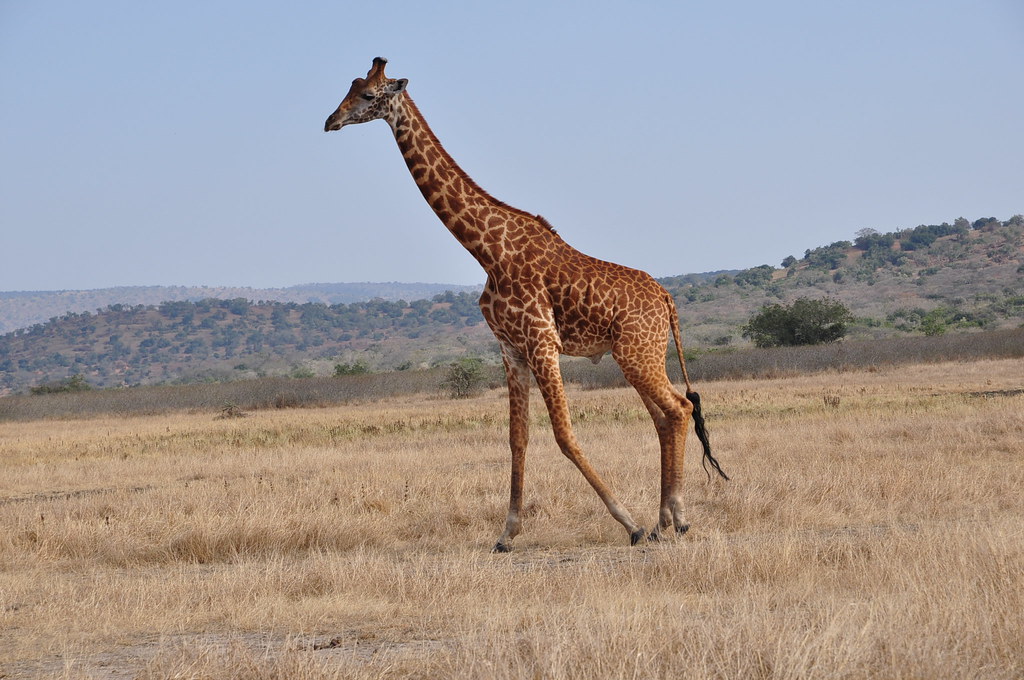
With extra nights you can add Akagera National Park in the east for lions, elephants, giraffes and boat outings on Lake Ihema, or continue southwest to Nyungwe National Park for chimpanzee tracking, large colobus troops and the canopy walkway. Many guests also combine Rwanda gorillas with Uganda by crossing the land border near Kisoro, or fly onward to Nairobi or Kilimanjaro for a savannah extension.


Kenya and Tanzania wildlife circuits
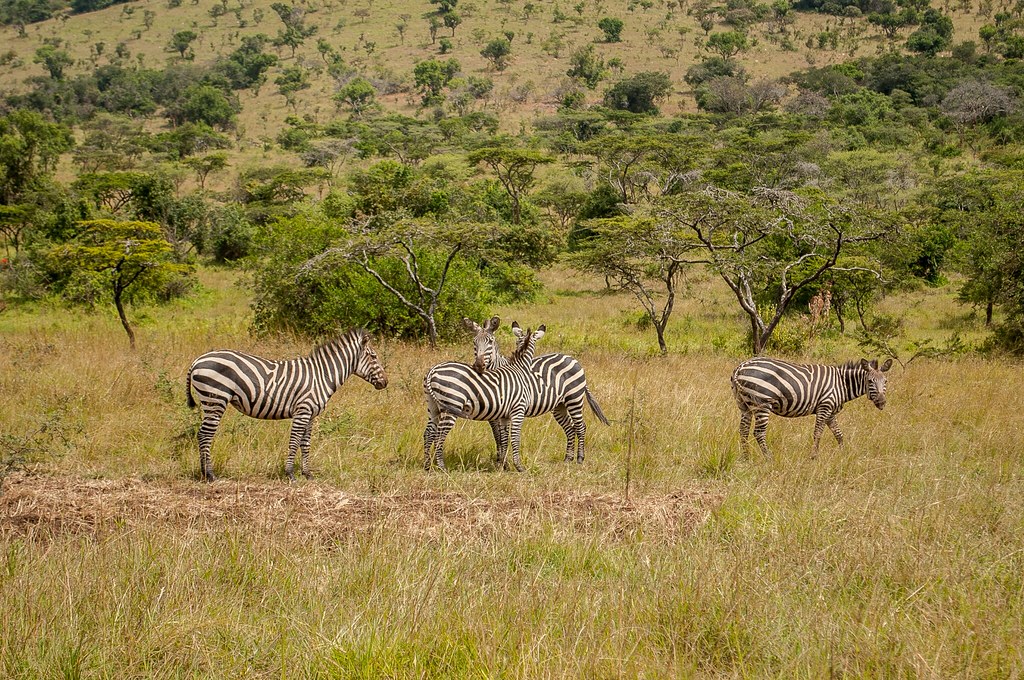
Kenya and Tanzania are the classic East African savannah destinations. They work as standalone wildlife holidays or as add-ons after gorilla trekking in Uganda or Rwanda. The Masai Mara National Reserve and Serengeti National Park form one continuous ecosystem; from roughly July to October the great migration is often in the northern Serengeti and Mara, including dramatic river crossings when the herds commit. December to March brings calving on the southern Serengeti plains, which concentrates predators.
Amboseli National Park is famous for large elephant herds on open ground with Kilimanjaro as a backdrop when clouds clear. Ngorongoro Conservation Area offers a crater floor where lions, buffalo, elephants and flamingos are viewed in a single day. For longer trips we can add Tsavo, Lake Nakuru, Tarangire, Lake Manyara or a Zanzibar beach finish after the dusty game-drive days. Regional flights from Entebbe or Kigali to Nairobi, Kilimanjaro or Arusha keep combinations efficient when road hours would otherwise be too long.
 3 DAYS
Masai Mara
Kenya · Mara
 3 DAYS
Amboseli game drives
Kenya · Amboseli
 3 DAYS
Serengeti and Ngorongoro
Tanzania · Northern circuit
All Kenya safaris · All Tanzania safaris · East Africa combination itineraries
Gorilla trekking explained in detail
Mountain gorilla tourism is tightly managed. Understanding the day on the trail helps you pack, train and choose the right park.
What happens on trek day
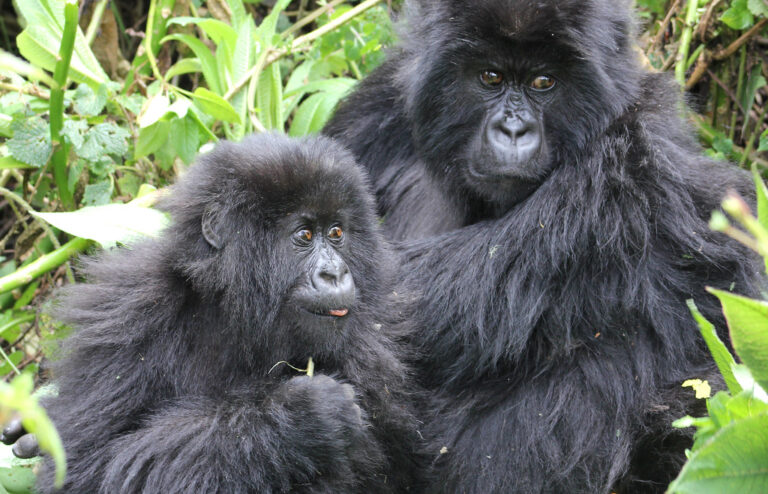
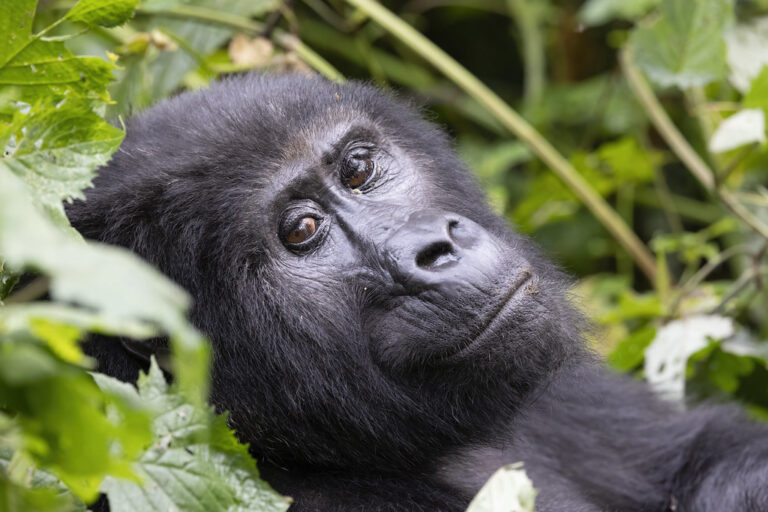
After an early lodge breakfast you transfer to the park headquarters for a briefing. Rangers from the Uganda Wildlife Authority or the Rwanda Development Board explain health rules, photography limits and how the search works. Trackers who left at dawn radio the family’s overnight location. You walk with a ranger, guide and often armed escorts on the path the gorillas used that morning. Some groups are found within an hour on gentler slopes; others require four to six hours through steep, muddy, nettle-filled forest. When the family is located you have one hour with them. Flash is forbidden, voices stay low, and you keep at least seven metres away unless the animals move closer on their own.
Uganda and Rwanda trailheads
In Uganda, gorilla trekking starts in Bwindi Impenetrable National Park from Buhoma, Ruhija, Rushaga or Nkuringo, with a smaller number of permits in Mgahinga Gorilla National Park. Rushaga is the sector used for the longer habituation experience. Your permit names the sector; the exact family is assigned on the morning of the trek based on tracking reports. In Rwanda, all gorilla treks start from Volcanoes National Park around Kinigi. Lodges should be chosen for that geography so you are not driving across the park before dawn.
Permit fees and timing
A Uganda gorilla permit for foreign non-residents is US$800 for the standard one-hour visit, discounted to US$600 in April, May and November. Gorilla habituation is US$1,500. A Rwanda gorilla permit is US$1,500. These amounts are park fees, separate from lodges, vehicles and guiding. Children under fifteen are not permitted on gorilla treks. We recommend holding permits as soon as your month is fixed — especially for dry-season weekends — and only then booking non-refundable international flights.
Fitness, packing and porters
You do not need to be an athlete, but you must be able to walk uphill on wet, uneven ground for one to six hours. Tell us about knees, age or breathing concerns and we will request a nearer family when the park allows and arrange a porter in advance. Wear broken-in waterproof boots, long trousers, a long-sleeved shirt, garden gloves for nettles, and a light rain jacket. Carry water and a snack in a small daypack; leave large luggage at the lodge. Walking sticks are issued at the trailhead. Porter fees are set at the park gate and support neighbouring communities.
Questions travellers ask before they enquire
Uganda or Rwanda for gorillas?
Uganda holds more than half of the world’s remaining mountain gorillas and charges less for a standard permit. Bwindi’s forest is older, denser and often steeper, which many travellers find more adventurous. Rwanda’s Volcanoes National Park is closer to an international airport, with a dense cluster of high-end lodges near the trailheads and trails that are frequently shorter. Guests who want both parks usually trek in one country then cross by road between Kisoro and Musanze or Kigali, or fly the short regional hop when schedules fit.
How many days do I need?
A pure gorilla trip can be done in three days including arrival buffers, but five to eight days is more comfortable if you want chimpanzees or savannah wildlife as well. A classic Uganda week might spend two nights near Kibale, two nights in Queen Elizabeth, and two nights in Bwindi. Rwanda gorilla-only trips are often three to four days from Kigali. Adding the Masai Mara or Serengeti usually means flying between countries rather than driving the full overland distance.
Is malaria a concern? What about visas?
Much of Uganda, Rwanda, Kenya and Tanzania is a malaria area. Speak to a travel clinic about prophylaxis, insect repellent and bite prevention before you fly. Yellow fever vaccination proof is commonly requested on arrival in the region — carry the certificate. Visa rules change; many nationalities use e-visa systems for Uganda, Kenya, Rwanda and Tanzania. We outline current entry notes in your pre-departure pack, but you remain responsible for checking embassy guidance for your passport.
When should I book?
Book as soon as your travel month is certain. Dry-season gorilla dates (June–September and December–February) and migration weeks in the Mara–Serengeti corridor are the first to fill. Rainy months still offer excellent gorilla viewing with greener forests, fewer vehicles at trailheads, and Uganda’s permit discount in April, May and November. We can hold a permit date while you confirm flights, then issue the full lodge and vehicle booking.
Why travel with Kiguba Adventure Safaris
We are a Uganda-based operator, not an overseas reseller. Planning happens from our Kampala office, with driver-guides who regularly work Bwindi, Mgahinga, Kibale, Queen Elizabeth, Murchison Falls, Volcanoes, Akagera, Nyungwe, the Masai Mara, Amboseli, the Serengeti and Ngorongoro. That local rhythm matters when a permit sector changes, a road is slow after rain, or a lodge needs to shift you closer to tomorrow’s briefing point.
- Private by design. Your safari vehicle and guide are for your group alone. Pace, photographic stops and picnic timing follow your interests rather than a fixed coach schedule.
- Permits before flights. We secure gorilla and chimpanzee permits through official channels, confirm the voucher, and only then ask you to lock non-refundable international tickets.
- Sector-correct lodging. Forest nights are booked for the park sector on your permit. Savannah camps are chosen for game-drive access and seasonal wildlife movement, not only for marketing photos.
- Line-by-line pricing. Quotes separate permits, park fees, vehicle and guide, accommodation and meals. You can compare budget, mid-range and luxury on the same route without rebuilding the itinerary from scratch.
- Human support in Kampala. Before and during travel you can reach us by phone, WhatsApp or email. We monitor road conditions, park notices and weather so small adjustments can be made while you are in the field.
East African safari destinations in depth
Each country offers a different mix of primates, savannah and logistics. Use these overviews to choose a starting point, then open the country page for parks, seasons and sample routes.
Uganda
Bwindi and Mgahinga for mountain gorillas; Kibale for chimpanzees; Queen Elizabeth for Kasenyi lions and the Kazinga Channel; Murchison Falls where the Nile thunders through a narrow gorge. The most varied single-country primate and wildlife mix.
Rwanda
Volcanoes National Park for compact gorilla trekking from Kigali; Nyungwe for chimpanzees and canopy walks; Akagera for restored savannah game including lion and elephant. Ideal when you want fewer long road days.
Kenya
Masai Mara for migration-season plains game; Amboseli for elephants under Kilimanjaro; Tsavo and Lake Nakuru when you have extra nights. Works alone or as a flight add-on after Uganda or Rwanda gorillas.
Tanzania
Serengeti open plains, Ngorongoro crater wildlife, Tarangire’s elephant country, and optional Zanzibar beaches after the safari. Strong for travellers who want classic northern-circuit game viewing.
When to go on an East African safari
There is no single “closed season.” Weather, permit demand and migration timing change what each month feels like on the ground.
June to September — long dry season
The most popular window across Uganda, Rwanda, Kenya and Tanzania. Forest trails in Bwindi and Volcanoes are firmer underfoot, though mornings can still be cold and misty. Savannah wildlife concentrates near water. In the Mara–Serengeti ecosystem this is peak migration season in the north, with river crossings possible when herds move. Lodges and gorilla permits for these months should be reserved early.
December to February — short dry season
Another busy gorilla period with generally good trekking conditions. Southern Serengeti and Ndutu see wildebeest calving from about January to March, which draws high predator activity. Amboseli and many Uganda savannah parks remain excellent for game drives. Festive-season lodge space fills quickly around Christmas and New Year.
March to May — long rains
Expect muddy forest paths, greener landscapes and fewer vehicles at many trailheads. Gorilla trekking continues in rain; the animals are still active. Uganda’s standard gorilla permit is discounted in April and May. Some remote savannah roads become slower, so we adjust routes and vehicle expectations. Photographers often like the softer light and dramatic skies.
October and November — short rains
A shorter wet spell in much of the region. Parks stay open, vegetation is lush, and camps can be easier to book than in the high dry peaks. November is another Uganda gorilla-permit discount month. Migration herds are typically moving through northern Tanzania toward the southern plains — we time Serengeti camps to the herd’s current location rather than a fixed map pin.
What a typical private safari quote covers
Usually included
Private 4x4 safari vehicle with pop-up roof where relevant, professional driver-guide, accommodation on the meal plan stated in your itinerary, bottled water in the vehicle, park entry fees listed for your route, and gorilla or chimpanzee permits when those activities are part of the booked plan. Airport meet-and-greet on arrival in Entebbe, Kigali or other agreed gateways is arranged when you fly into the country where the safari starts.
Usually excluded
International flights, regional flight supplements when you choose to fly between parks, visas and reciprocity fees, travel insurance, tips for guides and lodge staff, alcoholic drinks and premium laundry, optional activities not named on the itinerary, and personal shopping. We flag these clearly so you can budget the full trip, not only the land price.
Field notes from East Africa
Practical articles on gorilla sectors, Uganda versus Rwanda, packing lists, permit seasons and how to shape a first safari — written for travellers who want detail before they enquire.
Ready to plan your East Africa safari?
Send the country or countries you want to visit, your preferred month, how many adults and children are travelling, your comfort preference (budget, mid-range or luxury), and whether the focus is gorillas only, gorillas plus chimpanzees, or a full wildlife circuit. Mention any flight cities you already hold and any fitness or accessibility notes.
We reply with current permit availability, a draft day-by-day itinerary with estimated road hours, lodge options at each stop, and a quote that lists permits, park fees, vehicle, guiding and accommodation on separate lines — so you can decide with full information.
Or WhatsApp +256 785 817 514 · info@kigubaadventuresafaris.com